Advanced Surge Protection Technology Guards Devices from Damaging Power Fluctuations
Electrical devices are increasingly critical for work, communication, and entertainment. However, sudden power surges, spikes, and fluctuations can cause significant damage to electronic devices, leading to data loss, reduced lifespan, or complete failure. Advanced surge protection technology offers an effective solution by preventing these electrical disturbances from reaching sensitive equipment. This technology not only safeguards devices but also ensures consistent performance and reliability. By integrating sophisticated components and intelligent design, surge protectors can handle both minor voltage variations and sudden high-power surges, keeping electronic systems safe.
How Advanced Surge Protection Works
Surge protection technology is designed to detect and manage unexpected voltage spikes. When excess voltage is detected, the device redirects or absorbs the energy to prevent it from reaching connected electronics. Knowing the difference between surge protector vs power strip ensures your computers and appliances are protected from power surges. Key components of surge protectors include:
- Metal Oxide Varistors (MOVs): Absorb and dissipate high-voltage spikes.
- Thermal Fuses: Cut off the circuit if overheating occurs due to excess current.
- Gas Discharge Tubes (GDTs): Protect against extremely high voltage surges by diverting energy safely.
- Capacitors and Filters: Smooth out minor fluctuations and maintain stable voltage.
These components work together to create a barrier between fluctuating power supply and the devices connected to it.
Benefits of Using Advanced Surge Protection
Using surge protection technology offers multiple advantages for both personal and professional setups:
- Device Longevity: Prevents early wear and tear caused by electrical surges.
- Data Security: Minimizes the risk of data loss from sudden power interruptions.
- Cost Savings: Reduces expenses related to repairs or replacement of damaged electronics.
- Reliable Performance: Maintains stable operation of sensitive devices like computers, home appliances, and communication equipment. People frequently search online for what is a surge protector before buying one.
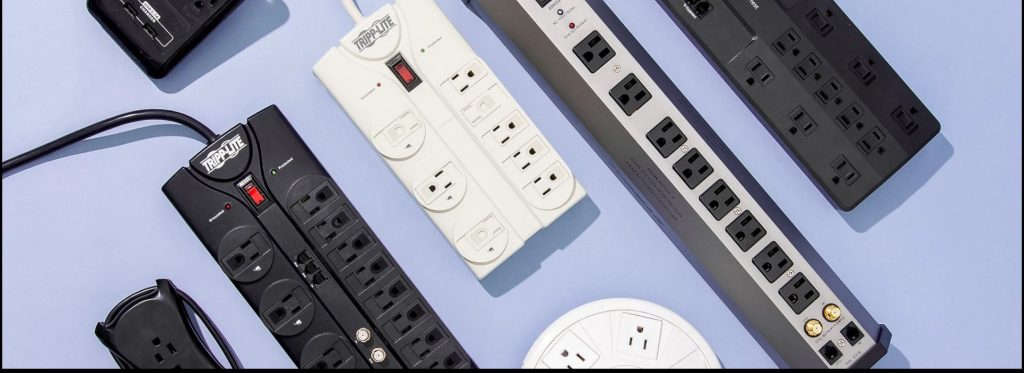
Key Features to Look For
When selecting a surge protector with advanced technology, certain features ensure maximum protection:
- Joule Rating: Indicates the total energy absorption capacity; higher values offer stronger protection.
- Response Time: Faster response times prevent surges from reaching devices.
- Number of Outlets: Ensures multiple devices can be connected safely.
- Indicator Lights: Provide real-time status of protection and device readiness.
- Built-in Circuit Breakers: Automatically disconnect power in extreme cases, adding an extra safety layer.
Applications and Use Cases
Advanced surge protection is essential across various environments:
- Home Electronics: Protects televisions, computers, and gaming consoles.
- Office Equipment: Guards servers, printers, and network devices.
- Industrial Systems: Ensures machinery and sensitive control systems remain operational.
- Healthcare Equipment: Maintains uninterrupted function of critical medical devices.
Conclusion
Power fluctuations and surges are inevitable, but they do not have to damage valuable devices. Advanced surge protection technology provides a reliable shield against these electrical threats. By absorbing spikes, filtering minor fluctuations, and cutting off extreme currents, this technology ensures devices continue operating efficiently. Investing in surge protection not only preserves the functionality and lifespan of electronics but also protects data, reduces repair costs, and provides peace of mind. Choosing the right surge protector with appropriate features ensures comprehensive safety for both personal and professional electronic systems.